





Is it cheaper to remove the render and re-render or to restore the brickwork?
October 21, 2024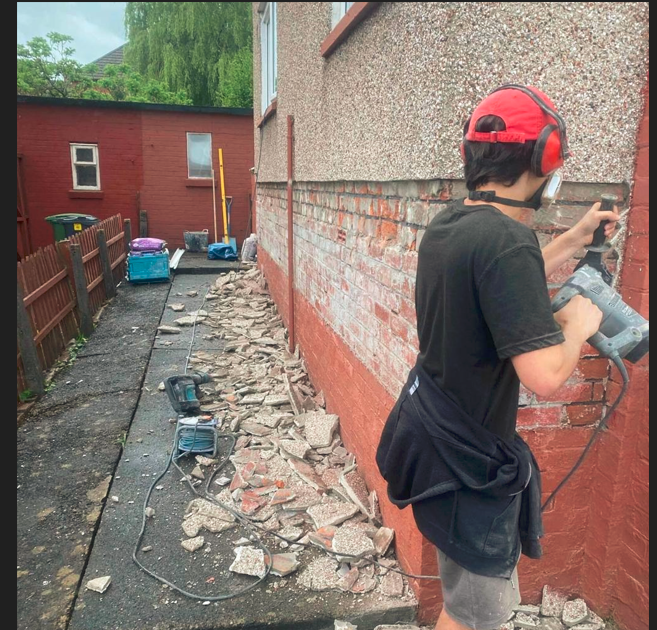
Introduction
If you’re considering renovating your property’s exterior, one of the first questions you’ll likely ask is: How much does it cost to remove render from a house?
Whether your existing render is cracked, damaged, suffering from damp issues, or simply outdated, removing old render is often the first step towards creating a durable and attractive external finish. Proper render removal allows homeowners to inspect the underlying wall structure, address hidden issues, and prepare surfaces for a modern rendering system.
At Alpol UK, we provide high-quality rendering products and accessories that help homeowners and contractors achieve professional and long-lasting results.
Why Remove Old Render?
There are several reasons why render removal may be necessary:
- Cracked or damaged render
- Damp penetration problems
- Poor adhesion to masonry surfaces
- Structural wall repairs
- Outdated appearance
- Preparation for new render systems
- Increased property value and kerb appeal
Removing defective render ensures that any new finish is applied to a stable and properly prepared surface.
Average Cost to Remove Render From a House
The cost of render removal varies depending on property size, accessibility, render type, and labour costs.
| Property Type | Estimated Cost |
| Small Terraced House | £1,500 – £3,000 |
| Semi-Detached House | £3,000 – £6,000 |
| Detached House | £5,000 – £10,000+ |
| Render Removal Per m² | £20 – £50 |
These figures are estimates and can vary depending on location and project complexity.
Factors That Affect Render Removal Costs
1. Type of Existing Render
Different render systems require different removal techniques.
Examples include:
- Cement Render
- Pebble Dash
- Silicone Render
- Acrylic Render
- Monocouche Render
Traditional cement-based renders are generally harder and more labour-intensive to remove than modern render systems.
2. Property Size
Larger properties require more labour, equipment, and disposal services, increasing the overall project cost.
3. Scaffolding Requirements
Most multi-storey properties require scaffolding for safe access.
Scaffolding costs can add between:
£800 – £3,000+
depending on property size and duration.
4. Waste Disposal
Render removal generates significant amounts of waste material.
Costs may include:
- Skip hire
- Waste transportation
- Disposal fees
Can You Remove Render Yourself?
DIY render removal is possible for small repairs, but full-property render removal is generally best left to professionals.
Risks of DIY Render Removal
- Damaging brickwork
- Uneven wall surfaces
- Injury from power tools
- Working at height risks
- Increased repair costs
Professional contractors have specialist tools and experience that help ensure safe and efficient removal.
What Happens After Render Removal?
Once the old render has been removed, several preparation steps should be completed before applying new render.
These include:
- Cleaning wall surfaces
- Repairing cracks and damaged masonry
- Applying base coats where necessary
- Priming surfaces
- Installing reinforcement mesh if required
- Applying the new render system
Proper preparation significantly improves the lifespan of the finished render.
Best Materials for Re-Rendering Your Property
Modern render systems provide superior durability, flexibility, and weather resistance compared to traditional cement renders.
Silicone Render
Benefits include:
- Excellent weather resistance
- Self-cleaning properties
- High flexibility
- Crack resistance
- Wide range of colours
Acrylic Render
Advantages include:
- Decorative finish
- Strong durability
- Multiple textures available
- Easy maintenance
Lime-Cement Render
Ideal for:
- Older properties
- Heritage buildings
- Breathable wall systems
- Moisture management
How Long Does Render Removal Take?
Typical project durations include:
| Property Type | Estimated Time |
| Small House | 2 – 4 Days |
| Semi-Detached House | 4 – 7 Days |
| Detached House | 1 – 2 Weeks |
The actual timeframe depends on weather conditions, render thickness, wall condition, and access requirements.
How to Reduce Render Removal Costs
Homeowners can potentially reduce costs by:
- Obtaining multiple quotations
- Scheduling work during quieter periods
- Combining render removal with re-rendering contracts
- Ensuring easy access to work areas
- Selecting experienced contractors
Investing in quality workmanship often reduces future repair expenses.
Choosing the Right Render Supplier
When selecting rendering materials, it is important to choose a supplier that offers:
- Professional-grade products
- Technical support
- Proven durability
- Fast UK delivery
- Competitive pricing
- Full rendering systems
Alpol UK supplies a comprehensive range of rendering materials including silicone renders, acrylic renders, primers, adhesives, base coats, reinforcement systems, plastering beads, and professional accessories.
Final Thoughts
The cost to remove render from a house in the UK generally ranges from £1,500 to £10,000+, depending on property size, accessibility, and project complexity